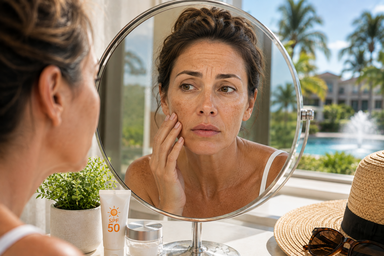
What Actually Causes Your Skin to Age Faster in Ocala ?
If you have noticed fine lines showing up earlier than you expected, or your skin just does not bounce back the way it used to, you are not imagining it. Living in Central Florida comes with a specific set of challenges for your skin, and most people do not realize how much their daily habits and environment are speeding up the clock. As of August 2026, more Ocala residents are asking the same question: what is actually causing this, and can it be slowed down before it becomes permanent?
The good news is that premature aging is not entirely out of your hands. Once you understand what is really driving it, sun exposure, lifestyle choices, and the natural decline in collagen production, you can start making smarter decisions about your skincare routine and when to bring in professional help. This is exactly the kind of thinking behind a modern anti-aging clinic approach, one that focuses on prevention just as much as correction.
What Actually Causes Skin to Age Faster Than It Should?
Aging skin is not just about the passage of time. There are two categories at play here: intrinsic aging, which is the natural genetic process everyone goes through, and extrinsic aging, which is caused by outside factors like sun exposure, pollution, and lifestyle habits. Extrinsic aging is responsible for the vast majority of visible skin changes, and it is also the part you have the most control over.
Skin that ages prematurely tends to show a combination of things: fine lines that deepen faster than expected, a rough or uneven texture, dullness that no amount of concealer seems to fix, and a loss of the plumpness that once made skin look naturally youthful. When several of these signs show up together, especially before your mid-thirties, it is usually a sign that something environmental or habitual is accelerating the process.
How Much Does Sun Exposure in Florida Speed Up Visible Aging?
This is the big one for anyone living in Ocala. Florida's sun is intense nearly year round, and UV exposure is considered the single largest contributor to premature skin aging, a process dermatologists call photoaging. Unlike the natural aging process, photoaging can account for up to ninety percent of the visible changes people associate with getting older, including wrinkles, sunspots, and loss of firmness.
The tricky part is that sun damage builds up quietly. You might not see the effects of a summer spent at the springs or on the boat until years later, when collagen breakdown catches up all at once. Even cloudy days and quick errands without sunscreen add up over a Florida lifetime. That is why so many local skincare conversations, and so many of the treatments offered at an Ocala anti-aging clinic, are built around repairing UV damage and preventing more of it from happening.
What Lifestyle Habits Contribute to Premature Skin Aging?
Sun exposure gets most of the attention, but daily habits play a bigger role than people expect. A few of the most common culprits include:
- Smoking, which restricts blood flow to the skin and breaks down collagen and elastin
- A diet high in sugar and processed foods, which can trigger a process called glycation that stiffens collagen fibers
- Chronic stress, which raises cortisol levels and interferes with skin repair
- Poor sleep, which limits the time your skin has to regenerate overnight
- Dehydration, which makes fine lines and dullness more noticeable
None of these habits cause aging overnight, but combined with Florida sun exposure, they create the perfect conditions for skin to age well ahead of schedule.
Why Does Skin Lose Its Youthful Bounce Starting in Your Late Twenties?
Here is something that surprises a lot of people: collagen production starts declining around age twenty five, and it drops by roughly one percent every year after that. Collagen is the protein responsible for skin's structure and elasticity, so as levels decline, skin naturally becomes thinner, less resilient, and more prone to lines and sagging.
This decline is gradual and normal, but it is also why proactive care matters so much. Waiting until your forties or fifties to start addressing collagen loss means you are working against years of accumulated decline. Starting earlier, especially in your late twenties and thirties, gives your skin a much better foundation to age gracefully.
Can You Prevent Signs of Aging Before They Start?
To a meaningful degree, yes. Prevention is about protecting the collagen and skin structure you still have rather than waiting to repair damage after it shows up. Daily broad spectrum sunscreen is the single most effective prevention tool available, followed closely by a consistent skincare routine, adequate hydration, and treatments that stimulate collagen production before visible damage sets in.
This is the real difference between reactive and proactive skincare. Reactive treatment addresses wrinkles, sunspots, and sagging after they are already noticeable. Proactive treatment works underneath the surface, supporting collagen renewal and skin repair so those signs take longer to appear in the first place, or show up in a much milder form.
How Does an Anti-Aging Clinic Approach Prevention Differently?
A well rounded anti-aging clinic does not just treat visible wrinkles. It looks at the whole picture, sun damage, collagen decline, skin texture, and tone, and builds a plan that protects skin now while also correcting existing signs of aging. At Glow and Grace Aesthetics, that approach centers on treatments that work with your skin's natural repair process rather than masking the problem temporarily.
What Treatments Help Prevent and Reverse Early Aging?
A few services stand out for their ability to address both prevention and correction at once.
SkinPen microneedling creates controlled micro-injuries in the skin that trigger your body's natural collagen and elastin production. It is one of the most effective ways to rebuild the structural support that declines with age, and it works well as both a preventive treatment for those in their late twenties and thirties and a corrective one for more established fine lines and texture concerns.
The Perfect Derma Peel targets sun damage directly, helping to resurface skin, even out tone, and reduce the sunspots and rough texture that come from years of Florida UV exposure. For anyone dealing with the visible aftermath of sun exposure, a peel can make a noticeable difference in a relatively short amount of time.
The Ageless HydraFacial Experience offers a gentler, more frequent option for maintaining hydration and skin health between more intensive treatments. Deep hydration supports the skin barrier, which plays a direct role in how well skin resists environmental stress and how youthful it looks day to day.
For those looking to address deeper collagen loss, the Factor 5 RDS Collagen Remodeling Peel is designed to stimulate more significant renewal, making it a strong option for people who are already seeing more advanced signs of aging and want a treatment plan built around long term collagen support.
Who Is a Good Candidate for Preventive Anti-Aging Treatment?
Honestly, almost anyone living under the Florida sun can benefit from starting earlier rather than later. If you are in your late twenties or thirties and want to protect the skin you have, if you are in your forties and starting to notice more visible changes, or if you have a history of sun exposure without much protective skincare, preventive treatment is worth exploring. The best way to know which option fits your skin is a proper consultation rather than guessing based on what worked for someone else.
How Do I Know Which Treatment Is Right for My Skin?
Skin type, sun history, and specific concerns all play a role in which treatment makes the most sense. Someone dealing primarily with sun damage and uneven tone may benefit most from a peel, while someone focused on firmness and fine lines might see better results from microneedling. This is exactly why a 30-minute consultation is such a useful first step. It gives you a real assessment of your skin rather than a one size fits all recommendation.
Wrinkle Room: Why Getting Ahead of Aging Beats Chasing It
Skin aging in Ocala is not just about time passing, it is about sun exposure, daily habits, and a collagen supply that naturally slows down starting earlier than most people expect. The upside is that understanding these causes puts you in a much stronger position to protect your skin before the damage becomes harder to reverse. Whether you are just starting to think about prevention or you are ready to address changes you can already see, a thoughtful, personalized plan makes all the difference.
If you are ready to talk through your options, reach out to Glow and Grace Aesthetics or check current specials to find the right starting point for your skin.
Frequently Asked Questions
At what age should I start visiting an anti-aging clinic? Most dermatologists agree that collagen production begins declining around age twenty five, so starting preventive care in your late twenties or early thirties gives you the best long term results. That said, it is never too late to start addressing sun damage and skin texture, no matter your age.
Is sun exposure really the main cause of premature aging in Florida? Yes. UV exposure is considered responsible for the majority of visible skin aging, including wrinkles, sunspots, and loss of firmness. Florida's strong, consistent sun makes daily sunscreen use especially important for anyone hoping to slow down these changes.
Can lifestyle changes alone reverse signs of premature aging? Lifestyle changes like better sleep, hydration, and diet can significantly slow further damage and support healthier skin, but they typically cannot reverse collagen loss that has already occurred. Combining good habits with professional treatments like microneedling or a derma peel tends to produce more noticeable results.
What is the difference between preventive and corrective anti-aging treatment? Preventive treatment focuses on protecting collagen and skin structure before visible damage appears, while corrective treatment addresses wrinkles, sunspots, or sagging that are already noticeable. Many people benefit from a combination of both as part of an ongoing skincare plan.
How often should I visit an anti-aging clinic for maintenance? This depends on the treatment and your skin's needs, but many clients find that periodic visits every few months help maintain results between more intensive treatments. A consultation is the best way to build a schedule that fits your specific goals.

