Is Skin Whitening Safe, or Should You Try Skin Brightening Instead?
If you have typed "skin whitening" into a search bar late at night while staring at a stubborn patch of discoloration, you are not alone. It is one of the most searched skin concerns in the country, and for good reason. Uneven tone, dark patches, and dullness can make skin look years older than it actually is. But before you buy a jar of something with a label you cannot pronounce, it is worth understanding what skin whitening actually means, whether it is safe, and what actually works for people right here in Ocala, Florida.
This guide breaks down the real science behind skin lightening, the risks nobody talks about, and the professional alternatives that dermatology-minded estheticians actually recommend.
What Does Skin Whitening Actually Mean?
The term gets used loosely, but it generally refers to any product or treatment designed to lighten skin tone or fade dark patches by slowing down melanin production. Melanin is the pigment responsible for skin color, and it increases in certain areas due to sun exposure, inflammation, hormones, or genetics. Some people use the phrase to mean lightening their overall complexion, while others use it interchangeably with fading dark spots or evening out blotchy skin. That distinction matters, because the safest and most effective approach depends entirely on which one you are actually trying to achieve.
Why Do People Search for Skin Whitening Treatments?
Most people are not chasing a completely different skin color. They are trying to solve a specific, identifiable concern.
Uneven Skin Tone and Sun Damage
Florida sunshine is wonderful for the beach and brutal for skin. Years of UV exposure lead to sunspots, freckling, and blotchy pigmentation, especially across the cheeks, forehead, and shoulders.
Melasma and Hormonal Pigmentation
Pregnancy, birth control, and hormonal shifts can trigger melasma, which shows up as symmetrical brown or gray patches, often across the upper cheeks and forehead. This type of pigmentation is notoriously stubborn and reacts differently to treatment than sun damage does.
Post-Acne Discoloration
Dark marks left behind after a breakout, known as post-inflammatory hyperpigmentation, are one of the most common reasons people start researching brightening products in the first place.
Is Skin Whitening Safe? What Dermatologists Say
Here is the honest answer: it depends entirely on the method. Some approaches are backed by clinical research and used safely under professional supervision. Others are sold online with little regulation and real potential for harm.
Risks of Unregulated Skin Whitening Products
Many over-the-counter and imported whitening creams contain high concentrations of hydroquinone, mercury, or steroids that are not approved for long-term or unsupervised use. According to the American Academy of Dermatology, unregulated bleaching creams have been linked to skin thinning, rebound darkening, permanent discoloration called exogenous ochronosis, and in cases involving mercury, systemic toxicity. The Food and Drug Administration has issued repeated warnings about skin lightening products sold without a prescription, particularly those manufactured overseas without ingredient oversight.
Why Hydroquinone and Bleaching Creams Raise Concerns
Hydroquinone itself is not automatically dangerous. In fact, it is used in some prescription-strength formulas under medical guidance. The concern is unsupervised, prolonged use at high concentrations without a professional monitoring your skin's response, which is exactly how most people use products purchased online.
Skin Brightening vs Skin Whitening: What Is the Difference?
This is the distinction that changes everything. Skin brightening focuses on evening out tone, fading specific dark spots, and restoring radiance to the skin you already have. It does not attempt to alter your natural pigmentation across the board. This is the approach most licensed estheticians and dermatology practices, including ours, actually recommend, because it targets the root concern (sun damage, acne marks, dullness) rather than attempting a blanket change that can backfire.
Safer, Professional Ways to Brighten Skin Tone in Ocala, Florida
If your goal is a more even, radiant complexion, there are several treatments available at Glow and Grace Aesthetics in Ocala that are designed specifically for this concern.
The Perfect Derma Peel
The Perfect Derma Peel is formulated to fade discoloration, smooth texture, and brighten overall tone with minimal downtime. It works by gently resurfacing the top layers of skin so that fresher, more evenly pigmented skin can surface.
Factor 5 RDS Collagen Remodeling Peel
For deeper sun damage and stubborn pigmentation, the Factor 5 RDS Collagen Remodeling Peel targets tone and texture at a deeper level while supporting collagen renewal underneath.
Platinum Glow HydraFacial Experience
The Platinum Glow HydraFacial Experience combines hydration with targeted brightening boosters, making it a favorite for clients who want a visible glow before an event without any peeling downtime.
Why Florida Sun Makes This an Ongoing Concern
Ocala's year round sunshine means new pigmentation can form faster here than in cooler, less sunny climates. Even short, everyday exposure while running errands, gardening, or walking the dog adds up over months and years. This is part of why a single treatment rarely solves discoloration permanently for Florida residents. A combination of professional treatment and consistent daily protection tends to hold results far longer than either approach on its own, which is something your provider should walk you through during your first visit rather than leaving you to figure out on your own.
Who Is a Good Candidate for Brightening Treatments?
Most adults dealing with sun spots, post-acne marks, or general dullness are good candidates for professional brightening treatments. People with active melasma, very sensitive skin, or a history of keloid scarring should have a consultation first so the treatment plan can be adjusted safely. This is exactly why a proper skin assessment matters more than a random product picked off a shelf.
What to Expect During and After Treatment
Most brightening treatments at our Ocala location take between thirty and sixty minutes. Peels may involve mild flaking over several days as skin renews itself, while HydraFacial based treatments typically leave skin glowing immediately with no downtime at all. Results build with a series of sessions rather than appearing overnight, which is part of why this approach is so much safer than aggressive at-home bleaching.
How to Maintain Results at Home
Daily broad spectrum sunscreen is non-negotiable, since new pigmentation forms fastest in unprotected sun exposed skin. Pairing in-office treatments with a gentle vitamin C serum or a tone correcting product recommended by your esthetician helps extend results between visits. Reapplying sunscreen midday, especially if you spend time outdoors during Florida's peak sun hours, matters just as much as the morning application most people already remember.
How Do You Choose the Right Brightening Treatment for Your Skin?
Not every brightening treatment suits every skin type. Sensitive or reactive skin often does better starting with a gentler HydraFacial based approach before progressing to a peel, while resilient skin with more stubborn sun damage may see faster results jumping straight into a resurfacing peel. This is exactly why a consultation before booking matters so much. A provider who takes the time to assess your skin's history, sensitivity, and specific pattern of discoloration can build a sequence of treatments that actually fits your skin, rather than starting you on whatever service happens to be trending that month.
FAQs About Skin Whitening and Brightening
Is skin whitening the same as skin brightening? Not exactly. Skin whitening usually implies lightening overall pigmentation, while skin brightening focuses on evening out tone and fading specific dark areas without altering your natural color.
Can I safely lighten dark spots at home? Mild over-the-counter products can help with very light discoloration, but persistent or deep pigmentation typically responds better to professional treatments like a derma peel or HydraFacial, especially when monitored by trained estheticians.
How many sessions does it take to see brighter, more even skin? Most clients notice visible improvement after three to four sessions, though this varies depending on the depth of the discoloration and the treatment selected.
Are these treatments available for both Ocala and Crystal River clients? Yes. Glow and Grace Aesthetics offers brightening focused treatments at both the Ocala location and the Crystal River location.
Bright Ideas Beat Bleach Every Time
Chasing a whiter complexion is not really the goal for most people. What they actually want is skin that looks healthy, even, and like it is having a genuinely good day. That is a much safer, more achievable target, and it does not require gambling on unregulated creams shipped from who knows where.
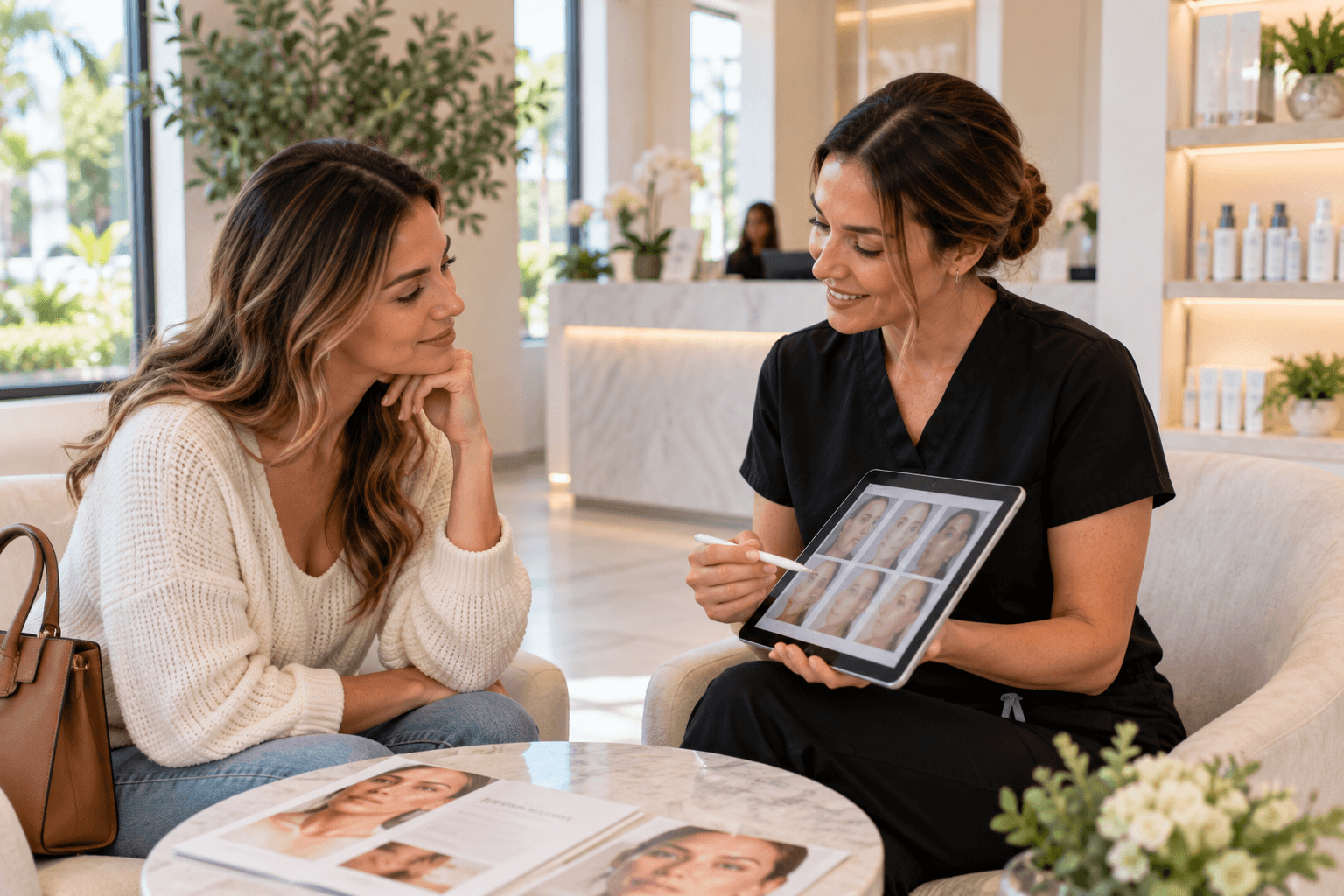
If discoloration, sun spots, or post-breakout marks have been bothering you, book a consultation with Glow and Grace Aesthetics in Ocala and let a licensed esthetician map out a brightening plan that is actually built for your skin.

